
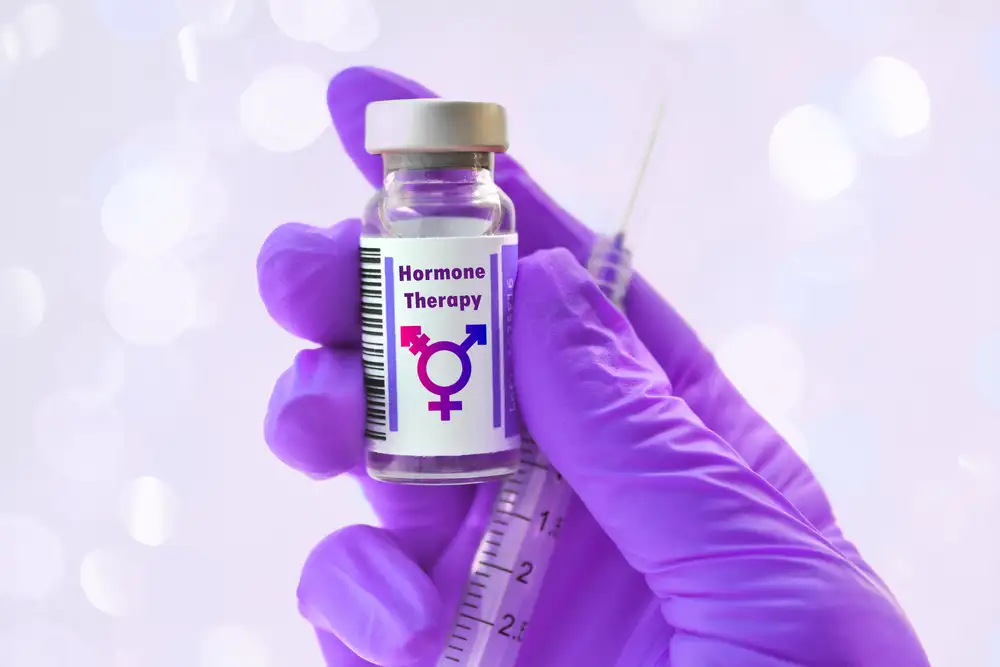
As people age, their bodies undergo changes that can sometimes leave them feeling not quite like themselves due to hormone fluctuations. If you are experiencing mood swings, fatigue or just don’t feel “right,” it may be due to hormonal reasons.
The first step towards feeling better is to understand the signs that may indicate a need for hormone therapy. Our Arlington TX specialists share a few simple insights on what is going on in your body that are easy to understand.
Hormones serve as messengers within your body that carry information through your blood to your organs and tissues. By maintaining a balance of hormones in your body you should be feeling good. If your hormone levels are imbalanced (too high or too low) you may begin experiencing signs and symptoms associated with an imbalance.
Hormone therapy will help restore your hormone levels to normal levels and provide your body with the necessary hormones needed to feel “like yourself” again. Below are some common signs that you may want to speak with your doctor concerning hormone therapy.
❔ What Are Hormones?
Think of hormones as tiny messengers. They are made in glands, like the thyroid or adrenal glands. Then, they travel all around your body to deliver instructions.
Hormones control many important jobs in your body, such as:
- Your mood
- How much energy you have
- How fast your body uses food for energy (metabolism)
- Your sleep
- Your body temperature
- Your desire for intimacy
When these messengers don’t deliver the right messages, things can go wrong. An imbalance can affect both men and women. It can happen at any age but is very common as we get older.
📉 Common Signs of Hormone Imbalance in Women
Hormonal fluctuations are commonly experienced by women throughout perimenopause and menopause. The majority of these instances typically occur in women’s 40 and 50 years of age. The key female hormone has decreased significantly which can result in various degrees of symptoms caused by hormonal imbalances.
Feeling Tired All the Time
Are you tired even after a full night’s sleep? Fatigue is an indication of hormonal imbalance. Low thyroid or low adrenal hormone levels will cause you to be tired and lacking energy. This is not the same as being a little sleepy. It is an extreme lack of energy that makes it difficult for you to complete your daily tasks. Even simple daily tasks may feel like a lot of effort.
Hot flashes and night sweats
Hot flashes are the sudden sensation of heat or warmth that travels through your body. You may also become red in the face and start sweating. If this happens during the night, it is referred to as night sweats.
Both hot flashes and night sweats are classic symptoms associated with menopause due to the confusion of the brain’s temperature regulation center as a result of shifting hormonal levels. Both night sweats and hot flashes are uncomfortable and can disrupt your sleep.
Mood Swings
Feelings of happiness and sadness are often accompanied by sudden mood swings, which can be affected by hormones. Changes in estrogen may cause changes in your brain chemicals that affect how you feel.
You might experience increased irritability, anxiety, or depression. Often mood changes happen without warning, and they can be difficult for both you and those around you to deal with.
Gaining Weight
Have you noticed an increase in your waistline despite maintaining a healthy diet and regular physical activity? Hormones are responsible for a significant portion of your metabolic rate. When hormones including estrogen, thyroid, and cortisol are out of balance, fat is stored in your body.
This weight gain usually occurs in the abdominal area and can cause a lack of confidence because you don’t believe you have achieved the right amount of weight gain according to your previous successful methods of losing weight.
Other Signs for Women
- Trouble sleeping
- Thinning hair
- Dry skin
- Foggy thinking or memory problems
- Low interest in intimacy
- Vaginal dryness
✨ Experiencing symptoms of hormonal imbalance? Schedule a consultation with Arlington, TX experts today and find out if hormone therapy is right for you.
- 📍 2313 W Arkansas Ln Suite 100. Pantego, TX 76013
- 📞 (817) 261-3302, (817) 274-0936
- 🌐 Website: www.dietdoctorkent.com
📈 Common Signs of Hormone Imbalance in Men
As men age, hormone levels will change, so they will go through changes in hormones like a woman when she goes through menopause, or “andropause.” Testosterone, the primary male hormone, will decrease slowly as time goes by.
Losing Muscle Strength
Have you noticed a decrease in muscle strength? You can lose strength/size of your muscles when your testosterone level declines (testosterone plays a role in your ability to develop and maintain your muscles), even if you exercise!
You may find that you do not have the same amount of strength to lift things as before, or you may feel weaker. Your body make-up may change (more fat/less muscle) as your body composition changes.
Low Energy/Fatigue
Like women, men can experience low levels of energy due to low testosterone levels. It can zap your energy and motivation to exercise or do daily activities that you enjoy. This can lead to an unmotivated work life, an unmotivated home life, and unmotivated hobbies. You can feel like you are always tired.
Mood Changes and Irritability
In addition to women, men can exhibit mood swings too. A man’s low testosterone can produce sadness, depression and grouchiness in men; as a result, you may find yourself being irritated more easily by others than you have in the past before experiencing these feelings. Other people label this as “irritable male syndrome”.
Problems with Intimacy
Low testosterone also causes intimacy issues. Lower libido or desire for sexual activity is common after a drop in testosterone levels; also, many men will experience problems achieving or maintaining an erection, which is also called erectile dysfunction (ED).
ED is one of the most common signs of a man having low testosterone, and it is sometimes felt to be an uncomfortable subject to discuss with a physician. However, there are methods that exist to aid men with this particular problem. There are multiple forms of treatment available.
Other Signs for Men
- Gaining body fat, especially around the middle
- Brain fog or trouble focusing
- Hair loss
- Sleep problems
- Decrease in bone density
🔎 How to Know for Sure: Getting Tested
You can confirm your signs through a blood test that checks your hormone levels. Blood tests show if hormones are above or below the normal range.
Your doctor will discuss your symptoms with you, listen to your feelings and help you determine if you should have a hormone test. After reviewing the results, you may discuss possible treatments with your doctor.
🩺 Your Guide to Hormone Therapy in Arlington, TX
If you have hormone levels that are not normal as a result of the testing you have undergone, he/she will typically recommend hormone replacement therapy (HRT) as the next step.
Your physician will prescribe you the proper number of hormones in order to allow your body to function normally. Hormone replacement therapy will assist your body in bringing your hormone levels into balance.
What Is Hormone Therapy?
Hormone Replacement Therapy is the use of hormones to alleviate the symptoms of hyper/hypo secretion by providing your body with the correct hormones. This means that the hormones used in hormone replacement are synthetic “Bio-identical,” meaning they have the same structure and function as your body creates naturally. The goal of HRT is to return hormone levels to healthy levels.
These hormones can come in different forms:
- Pills: Taken by mouth every day.
- Patches: Worn on the skin and changed every few days.
- Gels or Creams: Rubbed into the skin daily.
- Injections: Given by a doctor every few weeks.
- Pellets: Tiny pellets placed under the skin that release hormones slowly over months.
Your doctor will help you choose the best form for you. The choice depends on your health, lifestyle, and preferences.
What Are the Benefits?
When your hormones are balanced, you can feel much better. Many people report amazing changes in their quality of life.
Symptom Before Therapy | Benefit After Therapy |
Feeling tired | More energy and stamina |
Hot flashes | Fewer or no hot flashes |
Mood swings | More stable and positive mood |
Weight gain | Easier to manage weight |
Low sex drive | Improved interest in intimacy |
Brain fog | Clearer thinking and focus |
Poor sleep | Better, more restful sleep |
Hormone therapy can help you feel younger and more vibrant. It can give you back the energy to enjoy your life.
⭐ Why Choose Southwest Arlington Medical Clinic?
Choosing the right clinic for your health is a big decision. At Southwest Arlington Medical Clinic, we put our patients first. We are dedicated to helping people in Arlington and Pantego, TX, feel their best.
- Expert Care: Our team has years of experience in hormone therapy and primary care. We stay up to date on the latest research to give you the best treatment.
- Personalized Plans: We know that every person is unique. We create a treatment plan that is just for you. We listen to your concerns and goals.
- Friendly Team: We want you to feel comfortable and welcome. Our staff is friendly and ready to help you with a smile.
- Clear Communication: We explain everything in a simple way. We make sure you understand your health and your treatment options. You can ask us anything.
- Local and Trusted: We are proud to be part of the Arlington community. Your neighbors trust us with their health, and you can too.
📞 Taking the Next Step
Living with the symptoms of a hormone imbalance can be hard. But you don’t have to go through it alone. Help is available right here in Arlington, TX.
If you recognize the signs we’ve talked about, it might be time to talk to a professional. A simple conversation with a doctor can be the first step toward a happier, healthier you. We can help you find out if hormone therapy is right for you.
Contact Southwest Arlington Medical Clinic today to schedule a consultation. Let’s work together to help you feel like yourself again.
Frequently Asked Questions (FAQs) - Hormone Therapy
What are common signs you may need hormone therapy?
Common signs include fatigue, weight gain, mood swings, low energy, and changes in sleep or libido.
Is hormone therapy safe?
When prescribed and monitored by qualified professionals, hormone therapy is generally safe and tailored to individual needs.
How do I know if hormone therapy is right for me?
A medical evaluation, including symptoms review and lab testing, helps determine if hormone therapy is appropriate.