
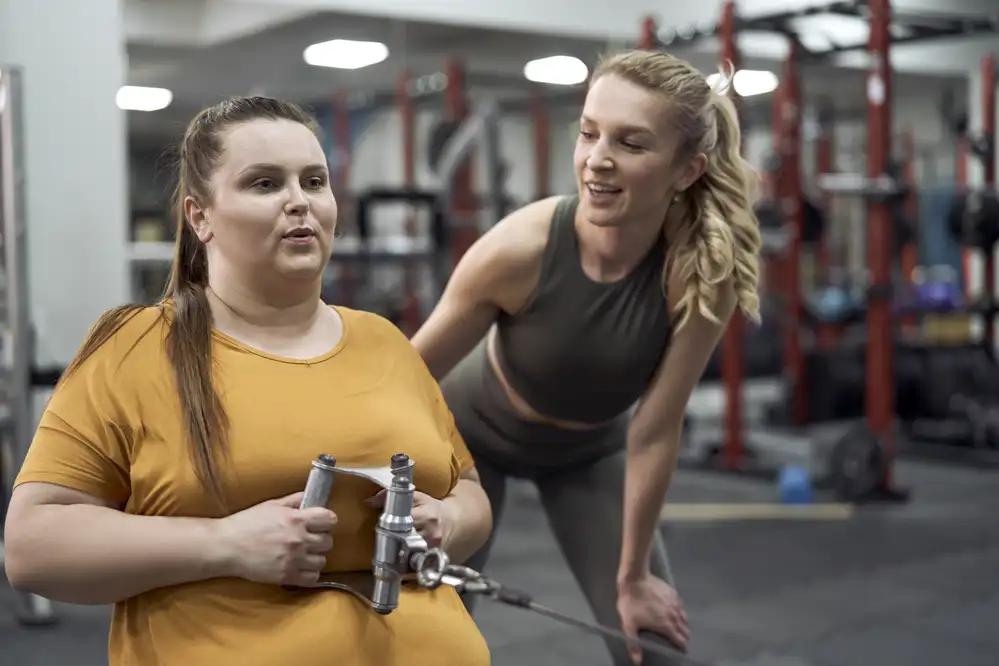
There are a multitude of diets designed for weight loss. Among the most well-known are the high-protein diet, the mono diet, and the low-carb diet. However, despite achieving short-term weight loss goals, these diets do not offer lasting results. Indeed, the best “diet” for weight loss remains the combination of a high-nutrient diet, regular physical activity, and a good relationship with oneself.
🖊️ Characteristics of a balanced weight loss program:
- ⏩ Weight loss between 500g and 1kg per week;
- ⏩ All food categories must be represented;
- ⏩ Physical activity integrated into the program;
- ⏩ Work on positive body image and self-acceptance;
- ⏩ Should enable you to adopt healthy eating habits in the long term.
🛡️Summary
- ⇛ Principles
- ⇛ Typical day of weight loss diet program
- ⇛ Forbidden foods and permitted foods
- ⇛ Advantages and disadvantages
- ⇛ Recommendations and precautions
- ⇛ Go further
- ⇛ Our doctor’s opinion
Any weight gain or loss is the result of a change in our calorie intake. To achieve what is called energy balance, we must expend as much energy as we consume. Calories represent the energy value of food. The more calorie-dense foods we consume, the more energy we must expend to compensate and achieve a balance between energy intake and expenditure.
How Does the Weight Loss Diet Work?
🔥 Creating a Negative Energy Balance
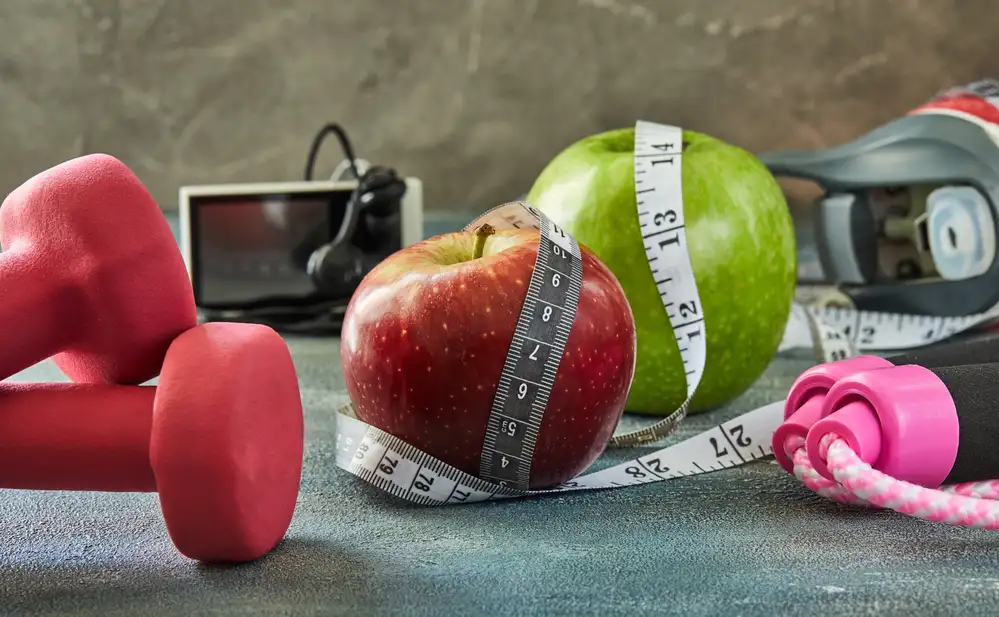
To lose weight, you need to create a negative energy balance, that is, burn more energy than calories ingested. Losing 0.5 kg per week, a reasonable goal, is equivalent to expending 3,500 calories more than you consume. This therefore implies a negative energy balance of 500 calories per day, which will be achieved by combining reasonable dietary restrictions and regular physical activity.
📊 Factors That Influence Calorie Intake
Several factors can influence the calorie intake variable. For example, it has been shown that the nutritional value of a food listed on the nutrition label can be 20 to 30% higher or lower. Can we really trust the nutrition label to calculate our calories?
🧬 Absorption and Bioavailability of Energy
Furthermore, the amount of energy a food contains in the form of calories is not necessarily the amount of energy we absorb, store, and/or use. In fact, we absorb less energy from minimally processed carbohydrates and fats because they are harder to digest.
It is therefore in our best interest to eat as little processed food as possible. Also, we absorb more energy from cooked foods because these processes break down plant and animal cells, thus increasing their bioavailability.
🦠 The Role of Gut Bacteria
Finally, depending on the type of bacteria present in our gut, some people have a greater ability to extract energy/calories from plant cell walls than others. These bacteria species are called Bacteroidetes. In short, it’s not all about ingested calories.
What is the best diet for weight loss?
If you decide to lose weight, it’s advisable to do it intelligently. Drastic methods are too restrictive: very low in calories, complete exclusion of certain foods or food groups, and various dietary prohibitions. This can lead to compulsive eating and a feeling of loss of control.
This leads to a feeling of failure, and then you start another diet. This is the vicious cycle that begins. The more you do it, the more the risks to your physical and mental health accumulate. There’s no such thing as a miracle diet. If it did, we would have known about it a long time ago!
➽ Diets to be wary of:
- ✓ Images of perfect bodies;
- ✓ Use of so-called “natural” and “fat-burning” products;
- ✓ No need to do physical exercise;
- ✓ Very rapid weight loss (5 kilos in 2 weeks for example);
- ✓ Guaranteed weight loss;
- ✓ Approved by a pseudo-specialist without a diploma;
- ✓ Based on suspect and unreferenced clinical studies.
➽ The criteria for choosing a good diet:
- ✓ Do we carry out a detailed and complete assessment of our condition: health, lifestyle, eating habits, stress and physical activity levels, among others?
- ✓ Is it supervised by recognized health professionals: dieticians, kinesiologists, psychologists, doctors and others?
- ✓ Does this method offer a realistic weight loss goal (5 to 10% of initial weight)?
- ✓ Is a person aiming for a moderate rate of weight loss (no more than 0.5 to 1 kg per week)?
- ✓ Does it provide personalized advice that considers our lifestyle and our psychological and dietary needs?
- ✓ Does the diet provide a daily minimum of 1,200 calories for a woman and 1,800 calories for a man?
- ✓ Does the diet emphasize variety and not eliminate any foods or food groups?
- ✓ Does dieting teach you to trust your internal feelings of hunger and satiety?
- ✓ Does this method encourage regular physical activity?
- ✓ Finally, does the diet encourage a gradual and not drastic change in our lifestyle habits?
Did you answer yes to each of the previous questions? This method has several advantages that promote realistic, safe, and sustainable weight loss.
However, if you answered no to some or most of the previous questions, you might want to explore other options because it does not promote realistic, healthy, and sustainable weight loss.
🌟 Start your transformation today with Southwest Arlington Medical Clinic — your trusted weight loss and wellness partner in Arlington & Pantego, TX.
How to Set a Good Weight Loss Goal?
📝 Write a Contract With Yourself
Write a contract with yourself. Reviewing it regularly will help you avoid losing your bearings. These goals should be tied not just to weight loss, but to something more powerful. Establish a non-food reward system. When you reach your goals, treat yourself to a massage, a ticket to a show, or whatever you like.
🤔 Reflect on Your Motivation
If your weight and/or waist size are normal and you still want to lose weight, what should you do? First, ask yourself why you’re trying to lose weight. If it’s just about appearance, consider improving your body image. If your weight is normal but your lifestyle isn’t healthy, this may be a good reason to change your diet. Naturally, you’ll lose weight.
⚖️ Understand and Aim for Your Ideal Weight
For those whose weight is already in the “healthy” weight category, it is better to try to move towards your ideal weight. The ideal weight is the one at which you feel physically and psychologically comfortable. It is specific and unique to each person.
🧬 Recognize Why Weight Loss Plateaus Happen
For some people, the ideal weight would be higher than for others. This could explain why some people have difficulty losing weight beyond a certain point. In short, our weight would be physiologically predisposed around a weight range that the body will try to maintain.
📊 Factors That Determine Equilibrium Weight
Several factors determine this equilibrium weight:
- 🧬 Heredity (very important factor);
- 🎂 Age (balance weight increases with age);
- 🔥 Basal metabolism;
- 🏃 Physical activity;
- 🥗 Eating habits.
Set a Good Weight Loss Goal
| Aspect | Guidelines / Considerations |
|---|---|
| 📝 Set a Goal | Write a contract with yourself and review it regularly. |
| 🎁 Reward System | Use non-food rewards (massage, tickets, fun activities) when goals are reached. |
| 🤔 If Weight is Normal | Reflect on why you want to lose weight. If for appearance, focus on body image instead. |
| 🥗 Healthy Lifestyle | If habits are unhealthy, improve diet and lifestyle → natural weight loss follows. |
| ⚖️ Ideal Weight | The weight where you feel physically & psychologically comfortable; unique to each person. |
| 🔄 Why Hard to Lose More | Body tends to maintain an equilibrium weight based on genetic and physiological factors. |
| 📊 Factors Affecting Equilibrium Weight |
– Heredity (major role) – Age (weight balance increases with age) – Basal metabolism – Physical activity – Eating habits |
| ❓ When to Reconsider | If weight remains stable despite efforts, accept that your body may not go further. |
✨ Ready to reach your healthy weight? Book an appointment today at Southwest Arlington Medical Clinic and start your journey to a healthier you!
- 📍 2313 W Arkansas Ln Suite 100. Pantego, TX 76013
- 📞 (817) 261-3302, (817) 274-0936
- 🌐 Website: www.dietdoctorkent.com
What Is the Right Pace of Weight Loss?
❤️ Safe and Healthy Weight Loss Rate
If you are overweight or obese, losing just 5 to 10% of your body weight over a 6-month period significantly reduces your risk of heart disease and other health conditions. The recommended weight loss rate for good health is 0.5 to 1 kg per week. Losing weight at this rate will help you maintain your weight later and give you time to integrate your new lifestyle habits.
🔄 Why Slow and Steady Is Better
Maintaining moderate weight loss over a long period of time is better than losing a lot of weight and then regaining it. In fact, it has been shown that when people regain the lost weight, they regain mostly adipose tissue (fat mass) and do not return to their initial muscle mass.
📆 When to Continue Weight Reduction Safely
If you want to lose more than 10% of your body weight, wait until you have maintained this weight loss for at least 6 months before continuing.
💪 Health Benefits of Moderate Weight Loss
- 🩸 Blood sugar control
- ❤️ Blood pressure levels
- 💊 Cholesterol balance (reducing medication needs)
- 😴 Sleep apnea and breathing quality
- 🦵 Joint pain and mobility
- 😊 Mood, depression, and overall quality of life.
❤️ Typical day of weight loss diet program
The ideal ratio for weight management would be 15% protein, 45-50% carbohydrates and 35-40% fat. Here is a weight loss program that respects these ratios.
| Meal | Food Items | Portion Size |
|---|---|---|
| 🍳 Breakfast |
|
|
| 🍎 Morning Snack |
|
|
| 🥗 Lunch |
|
|
| 🥣 Afternoon Snack |
|
|
| 🍽️ Dinner |
|
|
| 🍶 Evening Snack |
|
|
🌿 Advantages and disadvantages
➸ The positives of a balanced weight loss diet –
- ✔️ Respect for the needs of the organization;
- ✔️ No frustration or food compulsions;
- ✔️ Rare weight gain and easy weight maintenance;
- ✔️ Compatible with a fulfilling social life;
- ✔️ Positive body image;
- ✔️ Helps you develop good eating habits for life;
- ✔️ Reduces the risk of diseases related to overweight;
- ✔️ Pleasure in eating a balanced diet and taking care of yourself;
- ✔️ High nutritional quality food that avoids deficiencies;
- ✔️ Healthy and fulfilling relationship with oneself and food.
➸ The health risks of a draconian diet:
- ✔️ Muscle wasting;
- ✔️ Risk of dehydration, drops in blood pressure, digestive problems, hormone disruption, hair loss and muscle cramps;
- ✔️ Risk of deficiencies in proteins, essential fats, certain vitamins and minerals (iron and calcium for example);
- ✔️ Risk of diseases: anemia or osteoporosis;
- ✔️ Risk of electrolyte imbalance, cardiac arrhythmia;
- ✔️ Risk of weight gain when stopping the diet;
- ✔️ Development of an unhealthy relationship with food and with the body;
- ✔️ Loss of contact with hunger and satiety signals;
- ✔️ Severe fatigue, headache, difficulty concentrating and decreased productivity;
- ✔️ Decreased self-esteem, body dissatisfaction, feelings of failure and guilt;
- ✔️ Excessive concern about weight, or the development of eating disorders (anorexia, bulimia, hyperphagia, etc.).
🩺 Talk to our primary care and wellness experts now!
Why Is a Quick Weight Loss Diet Not a Good Idea?
🔄 The Vicious Cycle of Dieting
In the vicious cycle of dieting, we negatively affect our basal metabolic rate by lowering it. Basal metabolic rate is the energy expended by the body to ensure essential functions such as breathing, blood circulation, etc. These functions constitute approximately 60% of daily calorie expenditure. The higher our basal metabolic rate, the higher our daily energy expenditure.
🧠 How Crash Diets Affect Metabolism
However, crash diets lower our basal metabolism. When we go on a diet, our body panics and goes into “energy-saving” mode, so to speak. We therefore expend less energy at rest, and the risk of regaining weight is much higher when we resume a non-restrictive diet.
⏳ The Impact of Age on Metabolism
Furthermore, age is not on our side. From the age of 20, our basal metabolism decreases by 2 to 3% per year. This is why the older we get, the more difficult it is to lose weight, and the more we naturally tend to gain it.
💪 Why Muscle Mass Matters
On the other hand, muscle mass and physical activity levels increase basal metabolic rate, and therefore energy expenditure. Typically, men have a higher basal metabolic rate than women because they have more muscle mass. This highlights the importance of including strength training exercises in our physical activity routine.
💪 Take Control of Your Health with Doctor-Supervised Weight Loss in Arlington, TX!
Recommendations and precautions to take
Are there any risks associated with being overweight? Most people are aware of the risks associated with excess weight. It’s even one of the reasons cited for losing weight: to improve their health. Excess weight can increase:
- ✔️ Type 2 diabetes;
- ✔️ Cardiovascular diseases (heart attack, stroke);
- ✔️ Hypertension (high blood pressure);
- ✔️ Certain cancers (breast, colon, kidney);
- ✔️ Sleep apnea and breathing difficulties;
- ✔️ Joint problems (osteoarthritis, back pain);
- ✔️ Liver and gallbladder diseases;
- ✔️ Reduced mobility and physical endurance;
- ✔️ Psychological issues (low self-esteem, depression, anxiety).
Are women and men equal when it comes to weight loss?
Men and women are not equal when it comes to weight loss. As mentioned earlier, men have greater muscle mass and therefore a higher basal metabolic rate, which is conducive to weight loss. However, men, mainly due to hormones, tend to accumulate more visceral fat, which is dangerous for their health.
Furthermore, men, unlike women, underestimate their degree of obesity. Another difference is that women eat more frequently with their emotions (stress, depression, low self-esteem, general mood), which can be detrimental to weight loss maintenance because we eat with our heads and not our stomachs. This indicates that there are differences in the way men and women approach weight loss. This should be taken into account when making lifestyle changes.
💡 Key Differences Between Men and Women in Weight Loss
| Aspect | Men | Women |
|---|---|---|
| Muscle Mass & Metabolism | Greater muscle mass → higher basal metabolic rate → easier calorie burn | Lower muscle mass → slightly slower metabolism |
| Fat Distribution | Tend to accumulate more visceral fat (around organs) → higher health risk | Tend to accumulate more subcutaneous fat (under the skin) |
| Self-Perception of Obesity | Often underestimate their degree of obesity | More aware of body changes, generally more accurate perception |
| Eating Behavior | Less influenced by emotions when eating | More prone to emotional eating (stress, depression, low self-esteem) |
| Implications for Weight Loss | Can lose weight faster due to metabolism but health risks from visceral fat | Weight loss may be slower; emotional factors may affect maintenance |
| Approach Consideration | Lifestyle changes can leverage metabolism | Lifestyle changes may need to address emotional eating habits |
How to Lose Weight After Pregnancy?
🌸 Understanding Post-Pregnancy Weight Loss
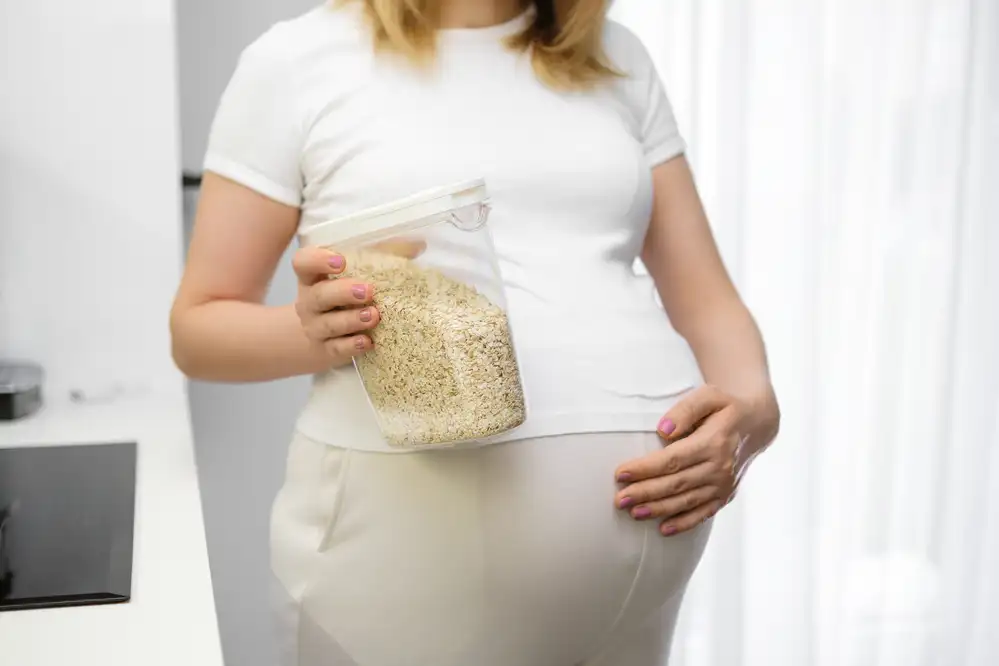
Most pregnant women would like to see their excess weight melt away after giving birth. It is important to understand that weight loss after pregnancy varies from one woman to another. Know that it is important to maintain the healthy habits you had during pregnancy. Indeed, eating well after pregnancy helps restore the mother’s nutritional reserves, maintain good energy levels and, of course, help you return to a healthy weight. Therefore, forget about diets and weight-loss plans and prioritize a varied and balanced diet.
⏳ Be Patient With the Process
Remember that the pregnancy weight was gained in 9 months, so it is not realistic to lose it in 2 months. One year after giving birth, the majority of women return to their pre-pregnancy weight (within 1-2 kg), while 20 to 30% would have gained 4 to 5 kg.
⏳ Be Patient With the Process
Remember that the pregnancy weight was gained in 9 months, so it is not realistic to lose it in 2 months. One year after giving birth, the majority of women return to their pre-pregnancy weight (within 1-2 kg), while 20 to 30% would have gained 4 to 5 kg.
⚠️ Risk Factors for Postpartum Weight Retention
Also, women who were already overweight before pregnancy or who gained more weight during their pregnancy than recommended are at greater risk of being overweight one year after giving birth. However, be aware that limiting weight gain during pregnancy will not help you lose excess weight after giving birth.
🍼 The Role of Breastfeeding in Weight Loss
If you are breastfeeding, it is even more important not to start a drastic diet because it could affect the quality of your breast milk and thus harm your baby’s development. In addition, studies show that breastfeeding contributes to faster weight loss after giving birth.
Should You Systematically Include Sport in a Weight Loss Diet?
💪 Stay Active to Stay Motivated
This is the best way to ensure your motivation. Staying physically active will help you lose weight and keep it off over time.
🌟 The Benefits of Physical Activity
- ✔️ Improves cardiovascular health;
- ✔️ Increases muscle strength and endurance;
- ✔️ Enhances flexibility and mobility;
- ✔️ Helps maintain a healthy body weight;
- ✔️ Reduces risk of chronic diseases (diabetes, hypertension, heart disease);
- ✔️ Boosts mental health and reduces stress, anxiety, and depression;
- ✔️ Improves sleep quality;
- ✔️ Enhances immune system function;
- ✔️ Promotes better balance and coordination;
- ✔️ Increases energy levels and overall vitality.
⏱️ Recommended Duration for Exercise
For overall health and to reduce the risk of disease, aim for at least 30 minutes of moderate physical activity most days of the week. To help manage body weight and prevent gradual weight gain, aim for 60 minutes of moderate to vigorous physical activity most days of the week.
🔁 Maintaining Weight Loss Through Consistency
To maintain weight loss, aim for at least 60–90 minutes of moderate daily physical activity. You can divide the time you spend exercising into smaller segments—such as 15 minutes at a time.
🚶♀️ Start Slowly and Build Gradually
If you haven’t been physically active for a while, then don’t let that stop you. Start slowly and gradually increase your activity. For example, start walking for 10–15 minutes three times a week, then gradually increase to the recommended amount with brisk walking.
🧘 Mix It Up and Enjoy the Process
Do a mix of resistance (strength training), cardiovascular, and recovery activities. Above all, choose an activity that you enjoy.
Physical Activity Plan for Weight Loss
Category | Details |
🎯 Purpose | Systematically including physical activity ensures motivation, helps lose weight, and keeps it off over time. |
💪 Key Benefits | ✔️ Improves cardiovascular health; ✔️ Increases muscle strength and endurance; ✔️ Enhances flexibility and mobility; ✔️ Helps maintain a healthy body weight; ✔️ Reduces risk of chronic diseases (diabetes, hypertension, heart disease); ✔️ Boosts mental health and reduces stress, anxiety, and depression; ✔️ Improves sleep quality; ✔️ Enhances immune system function; ✔️ Promotes better balance and coordination; ✔️ Increases energy levels and overall vitality. |
⏱️ Recommended Duration | – General health & disease prevention: ≥30 minutes of moderate activity most days; – Weight management/prevent gradual weight gain: ≥60 minutes of moderate to vigorous activity most days; – Maintain weight loss: 60–90 minutes of moderate activity daily (can be divided into 15-minute sessions). |
🏋️ Types of Activity | – Cardiovascular: walking, jogging, cycling, swimming; – Strength/Resistance training: bodyweight exercises, weights, resistance bands; – Recovery/flexibility: stretching, yoga, mobility exercises. |
⚡ Tips for Beginners | – Start slowly: 10–15 minutes of activity, 3 times per week; – Gradually increase duration and intensity; – Mix different types of activities for balance; – Choose activities you enjoy to stay consistent. |
🚀 Ready to lose weight—and keep it off? Start your healthy journey today with expert support at Southwest Arlington Medical Clinic! Call us: 817-261-3302, 817-274-0936.
How not to gain weight again?
Struggling to keep off the pounds can be frustrating, but it’s possible to maintain a healthy weight with the right habits. Understanding key strategies to prevent weight gain is the first step toward lasting results. Here are the behaviors that are associated with low weight gain:
🍳 Eat a Nutritious, Protein-Rich Breakfast
Eat a nutritious, protein-rich breakfast: add eggs, Greek yogurt, cheese, tofu, nuts and seeds, or their butter. Protein helps you maintain lean body mass and increases satiety. In addition, the digestion cost of protein is the highest among macronutrients (20-30% for protein, 5-6% for carbohydrates, and 3% for fat). It is important to have protein at every meal and distribute it well.
🥑 Include Healthy Unsaturated Fats in Your Diet
Eat a diet that includes unsaturated fats, this helps maintain sex hormones, stimulates the immune system and adds flavor to food.
- 🥑 Avocados;
- 🫒 Olive oil;
- 🌰 Nuts (almonds, walnuts, hazelnuts, cashews);
- 🥜 Nut butters (peanut, almond, cashew);
- 🐟 Fatty fish (salmon, mackerel, sardines, tuna);
- 🌻 Seeds (chia, flax, sunflower, pumpkin, sesame);
- 🫛 Soybeans and tofu;
- 🌽 Corn oil, canola oil, sunflower oil.
🌿 Minimize Processed Foods and Choose Natural Options
Eat as little processed food as possible: this reduces the calories actually absorbed in addition to requiring more energy from our body for their digestion. Eat basic foods, in their most natural state possible.
🍔 Limit Fast Food Consumption
Consume few fast foods: these are high in calories, lipids, saturated and trans fats, sugars, sodium, etc..
💧 Favor Water Over Sugary Drinks for Hydration
Drink a few sugary drinks and favor water for hydration: these are empty calories, with no effect on satiety. In addition, the brain makes little difference between the symptoms of hunger and thirst and often people can easily confuse them.
🥗 Choose a Fiber-Rich Diet for Satiety and Digestive Health
Eat a diet rich in fiber: whole grains, fruits and vegetables, nuts and seeds, and legumes contribute to the feeling of satiety. Foods rich in soluble fiber are particularly interesting because they form a gel and take up more space in the stomach: psyllium, artichoke, green beans, green peas, kohlrabi, avocado, pear, bran cereals, oatmeal, all legumes, and almonds are good sources. In addition, the carbohydrates provided by these foods will prevent feelings of deprivation.
🍽️ Control Portion Sizes and Eat Mindfully
Reduce your mealtime portions: Even if you eat quality food, you can still eat too large portions. Listening to satiety signals and controlling portions is therefore very important. Learn to eat slowly, savor your food so that your taste buds are saturated with the different flavors. You will need smaller amounts to feel satisfied.
🛌 Maintain Healthy Sleeping Habits
Have good sleeping habits: researchers recommend sleeping between 7 and 8 hours per night, this affects hunger and satiety hormones positively.
📵 Limit Screen Time to Stay Active and Mindful of Eating
Limit screen time to a maximum of 10 hours per week: we move less and eat more when we are in front of a screen.
💖 Cultivate a Positive Body Image
Develop a positive body image: seeing your body as it is, accepting it as it is in the present moment, accepting your body’s abilities and particularities, having confidence in your body and its abilities, treating your body with kindness, enjoying your body as it is, trusting your food choices, eating according to your appetite, accepting that your weight varies from time to time are all signs of a positive body image.
🧘 Manage Stress and Emotions with Healthy, Non-Food Activities
Have better management of emotions/stress/ and have relaxing activities not associated with food: reading, listening to music, meditating, moving are many activities demonstrated to promote calming. Rid your home of temptations: the goal is not to eliminate them completely but the more you have, the greater your chances of eating them in times of stress.
🧘 Manage Stress and Emotions with Healthy, Non-Food Activities
Have support from our loved ones and/or health professionals: a dietitian-nutritionist can help you assess your nutritional habits, give you a personalized plan and tools to achieve it, according to your lifestyle.
⚖️ Monitor Your Weight Regularly Without Obsessing
Weigh yourself regularly without becoming obsessed with it: this would allow you to act quickly if your weight has increased and thus maintain it in the long term.
❓ FAQs About Healthy & Sustainable Weight Loss
What diet works best for long-term weight loss?
A balanced diet with all food groups, regular exercise, and healthy habits works best — not fad diets.
How much weight can I lose per week safely?
About 0.5–1 kg (1–2 lbs) per week for lasting results.
Why avoid crash diets?
They cause muscle loss, deficiencies, and rebound weight gain.
How do I keep weight off after dieting?
Eat balanced meals, stay active, manage stress, and sleep well.
Where can I get weight loss help in Arlington, TX?
At Southwest Arlington Medical Clinic — doctor-supervised weight programs.
What is Tirzepatide?
An FDA-approved injection that curbs appetite, regulates blood sugar, and supports fat loss.
What does hormone therapy do?
It restores hormonal balance to boost metabolism and improve weight management.
Why choose doctor-supervised weight loss?
It ensures safe, customized care with expert guidance for lasting results.